
Voice technology is changing how we hear content online. But not all voice tools are the same.
Some tools help creators make professional audio safely. Others are used to trick people. If you are a business owner or a content creator, you need to know the difference. This guide compares Speechactors, a professional voice platform, with deepfake voice cloning. We will look at how they work, why they are different, and which one is safe for your brand.
What Speechactors Is and How It Produces Synthetic Voices
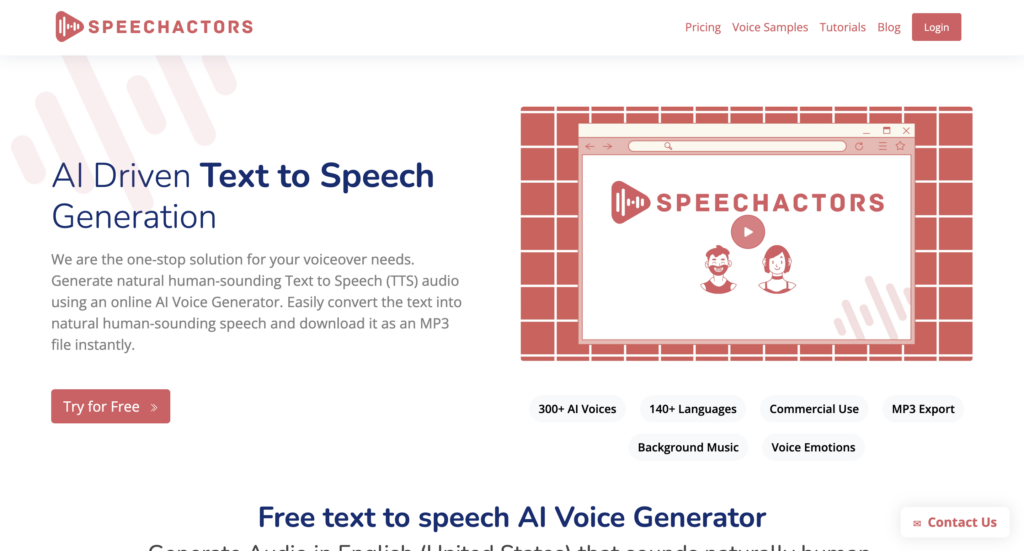
Speechactors is a cloud-based AI voice platform. It is designed to turn text into spoken audio that sounds like a real human. It uses a technology called Neural Text-to-Speech (TTS). This is different from the old robotic voices you might remember from ten years ago. Speechactors uses deep learning models. These models have been trained on thousands of hours of real human speech. But here is the key part: the voices in the library are legally licensed. The people behind the voices gave their permission.
When you type text into Speechactors, the AI analyzes your words. It looks at the context of the sentence. It decides where to pause and how to change pitch. Then, it generates a brand new audio file. The result is a voice that sounds natural and fluid. Research in AI speech synthesis shows that neural models can now match human speech in “naturalness” tests. This means listeners often cannot tell the difference between a high-quality AI voice and a human recording.
The platform gives users control over the output. This is a major feature for professional use. You can change the speaking style. You can make the voice sound happy, sad, or serious. You can also use Speech Synthesis Markup Language (SSML). SSML is a code that lets you tell the AI exactly how to say a specific word. For example, you can tell it to pause for two seconds or whisper a phrase. This level of control, combined with stability, makes Speechactors a tool for production, not just a toy.
What Deepfake Voice Cloning Means in Modern AI Audio
Deepfake voice cloning is a very different technology. The term “deepfake” comes from “deep learning” and “fake.” It refers to using AI to copy a specific person’s voice without their direct involvement in the new content. While the underlying tech is similar to TTS, the goal is different. Deepfake cloning aims to clone a specific identity. It often uses Generative Adversarial Networks (GANs) or diffusion models. These models take a sample of audio from a person—sometimes just a few seconds—and learn to mimic it perfectly.
The biggest issue with deepfake voice cloning is the risk. Because it can copy anyone, it is often used for impersonation. You might have seen videos of famous politicians or actors saying things they never actually said. This is deepfake technology at work. It does not require a studio recording. It can learn from a YouTube video or a voicemail.
Cybersecurity experts warn that this technology is dangerous when uncontrolled. It leads to fraud and identity misuse. If an AI can sound exactly like a CEO, it can trick employees into sending money. Unlike standard TTS platforms that focus on creating new usable voices, deepfake cloning focuses on replicating existing people. The technology is powerful, but it lacks the safety rails found in professional tools. It prioritizes mimicry over consent.
Core Differences Between Speechactors and Deepfake Voice Cloning
Understanding the difference between a professional tool and a deepfake tool is vital. They might sound similar, but they serve opposite purposes. Here is how they compare in ethics, use cases, and quality.
Ethics and Legality
The most important difference is consent. Speechactors operates on a “clean data” model. Every voice option you see on the platform is there because a voice actor was paid or agreed to have their voice synthesized. The legal rights are clear. You can use these voices for commercial ads or YouTube videos without worrying about a lawsuit. The platform owns or licenses the voice models.
Deepfake voice cloning often ignores consent. Many cloning tools scrape audio from the internet. They take interviews or podcasts and use them to train the AI. The original speaker usually does not know their voice is being used. This has led to major legal debates. Actors are suing companies that steal their vocal likeness. Studies on digital impersonation flag deepfakes as a high-risk technology because it takes a person’s biometric data—their voice—without permission. If you use a deepfake tool to clone a celebrity for an ad, you are likely breaking the law.
Purpose and Use Cases
Speechactors is built for work. Its features support creators who need consistent audio. It is used for audiobooks, where the listener needs to hear a pleasant voice for hours. It is used for corporate training videos, where the information must be clear. It is also great for advertisements because you can adjust the tone to be energetic or persuasive. The goal is to create content efficiently.
Deepfake cloning has a different set of uses. Some are harmless, like parody or movie visual effects where an actor has passed away. But many uses are malicious. Scammers use it to bypass voice security at banks. Trolls use it to harass people online. While some businesses try to use cloning to “personalize” messages from their CEO, the risk of it looking like a deepfake scam often outweighs the benefit. Deepfake tools are designed for simulation and trickery, while Speechactors is designed for content production.
Output Quality and Voice Authenticity
When you use Speechactors, you get consistency. The voices are engineered to sound good on every render. They do not glitch or suddenly change accents. The platform has safety filters to prevent it from saying banned or hateful words. This makes it safe for brands. You know what you are getting.
Deepfake models are often unstable. Because they try to mimic a specific recording, they can pick up background noise or artifacts from the original file. A deepfake voice might sound exactly like a famous person for one sentence, then sound robotic the next. They focus on “timbre” (the sound of the voice) rather than “prosody” (the flow of speech). Also, deepfake tools rarely have safeguards. They will say anything you type, which makes them a liability for any serious business.
Why Ethical Voice Synthesis Matters for Businesses
Using the wrong voice tool can destroy a brand’s reputation. Cybersecurity studies show that fraud involving synthetic voices is rising. Customers are becoming suspicious of AI audio. If your business uses a voice that sounds like a known celebrity or a stolen voice, customers will notice. They will trust you less. They might think you are running a scam.
Choosing an ethical platform like Speechactors protects your brand. It shows you care about data rights. It ensures you are not stealing an actor’s livelihood. It also helps with compliance. Many countries are passing laws about AI transparency. These laws require you to know where your AI data comes from. If you use a random deepfake tool, you cannot prove the voice was legally sourced.
Trust is hard to build and easy to lose. When you use a professional platform, you are buying safety. You get high-quality audio without the legal headache. You ensure that your marketing materials are unique to your brand, not a cheap copy of someone else.
Advantages of Using Speechactors Over Deepfake Voice Cloning
If you are deciding between a standard AI voice platform and a cloning tool, the professional platform wins on reliability. Here are the specific benefits of using a tool like Speechactors.
Consent-Based Voice Licensing
You never have to worry about a “take-down” notice. Since Speechactors uses licensed voices, you have full commercial rights. You can monetize your YouTube channel. You can run paid ads on Facebook. With deepfake cloning, you are always in a gray area. If the person whose voice you cloned complains, your content will be removed. You could even be sued for damages. Licensed voices give you peace of mind.
Enhanced Data Privacy and Security
Professional platforms treat your text data with care. When you type a script into Speechactors, it is processed securely. Deepfake tools, especially free ones found on obscure websites, often have no privacy policy. They might save your script. They might sell your data. Speechactors is a business tool, so it follows standard data protection rules. This is essential if you are making internal training videos with sensitive company info.
Enterprise-Grade SSML and Audio Controls
Deepfake tools are usually “black boxes.” You type text, and you get audio. You cannot change how it sounds. Speechactors gives you a dashboard of controls. You can speed up the voice. You can add breathing sounds to make it more human. You can change the pitch. These SSML controls are vital for making professional content. A flat, cloned voice is boring. A tuned, professional AI voice keeps the listener engaged.
Scalable Voice Library Without Legal Risks
With Speechactors, you get access to hundreds of different voices. You can switch from a British male voice to an American female voice in one click. If you rely on deepfake cloning, you have to find a new sample and train a new model every time you want a different voice. That takes time and computing power. Speechactors scales with you. You can produce ten hours of audio as easily as ten minutes.
Real-World Scenarios Showing the Difference
To see the difference clearly, let’s look at two real examples.
Scenario A: The Safe Training Video
A logistics company needs to train 500 new drivers. They use Speechactors. They select a clear, authoritative voice. They use SSML to add pauses after important safety instructions. They produce 50 videos in one week. The cost is low. The drivers understand the instructions clearly. The company owns the rights to the audio. This is a success.
Scenario B: The Deepfake Marketing Fail
A startup wants to look cool. They use a deepfake tool to clone the voice of a famous narrator for their ad. They do not ask for permission. They post the ad on Twitter. People recognize the voice. The narrator’s agent sends a cease-and-desist letter. The startup has to delete the ad and apologize publicly. They wasted money and looked unprofessional. This is the risk of deepfake cloning.
The contrast is sharp. One path leads to a finished asset. The other leads to legal trouble.
How Businesses Can Identify Safe Voice AI Platforms
How do you know if a tool is safe? You can check a few things before you sign up.
- Check the Terms of Service: Does the platform mention “commercial rights”? Safe platforms like Speechactors explicitly state you own the audio. Deepfake tools usually have vague terms or say “for research only.”
- Look for SSML Support: Professional tools allow editing. Impersonation tools usually do not.
- Verify Data Sourcing: Does the company say where their voices come from? Look for phrases like “trained on proprietary datasets” or “licensed voice actors.” Avoid tools that let you “upload any MP3 to clone.”
- Read the Ethics Statement: Universities studying AI governance recommend using platforms that have a public ethics policy. This shows the company is thinking about safety.
Conclusion: Choosing Responsible AI Voice Technology
The difference between Speechactors and deepfake voice cloning is clear. One is a tool for creators; the other is a weapon for deception.
Speechactors offers a controlled, legal, and high-quality way to add voice to your content. It uses the power of AI to help you work faster, not to trick your audience. Deepfake cloning carries too many risks for a serious business. It brings legal threats, security holes, and inconsistent quality.
When you choose a voice platform, choose one that respects the human voice. Choose a platform that offers stability and control. By sticking to ethical AI, you protect your business and build trust with your audience. The future of content is synthetic, but it must be safe.